Underfloor heating, in an existing floor too
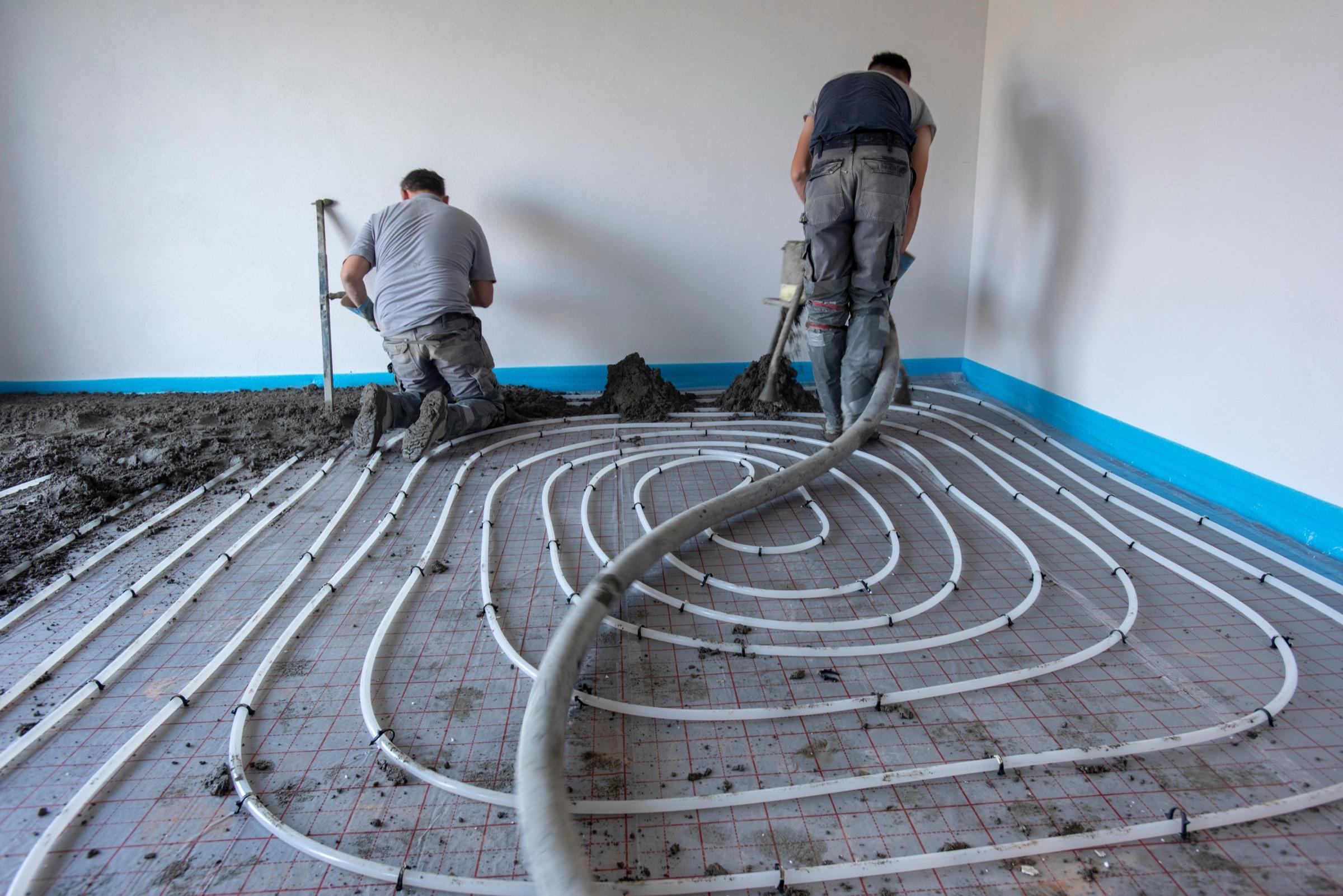
Underfloor heating warms the room from the floor, spread across the whole surface. We lay the pipes in a new screed (dekvloer) or mill them into your existing floor. After that, tiles, vinyl (PVC), laminate or parquet can go on top.
Floor and heating from one company
Underfloor heating and the floor on top belong together. The floor that goes on top determines how well the heat comes through. Because we do both, we match them to each other. Is your floor suitable for milling? We are happy to find out for you.
Two ways to install underfloor heating
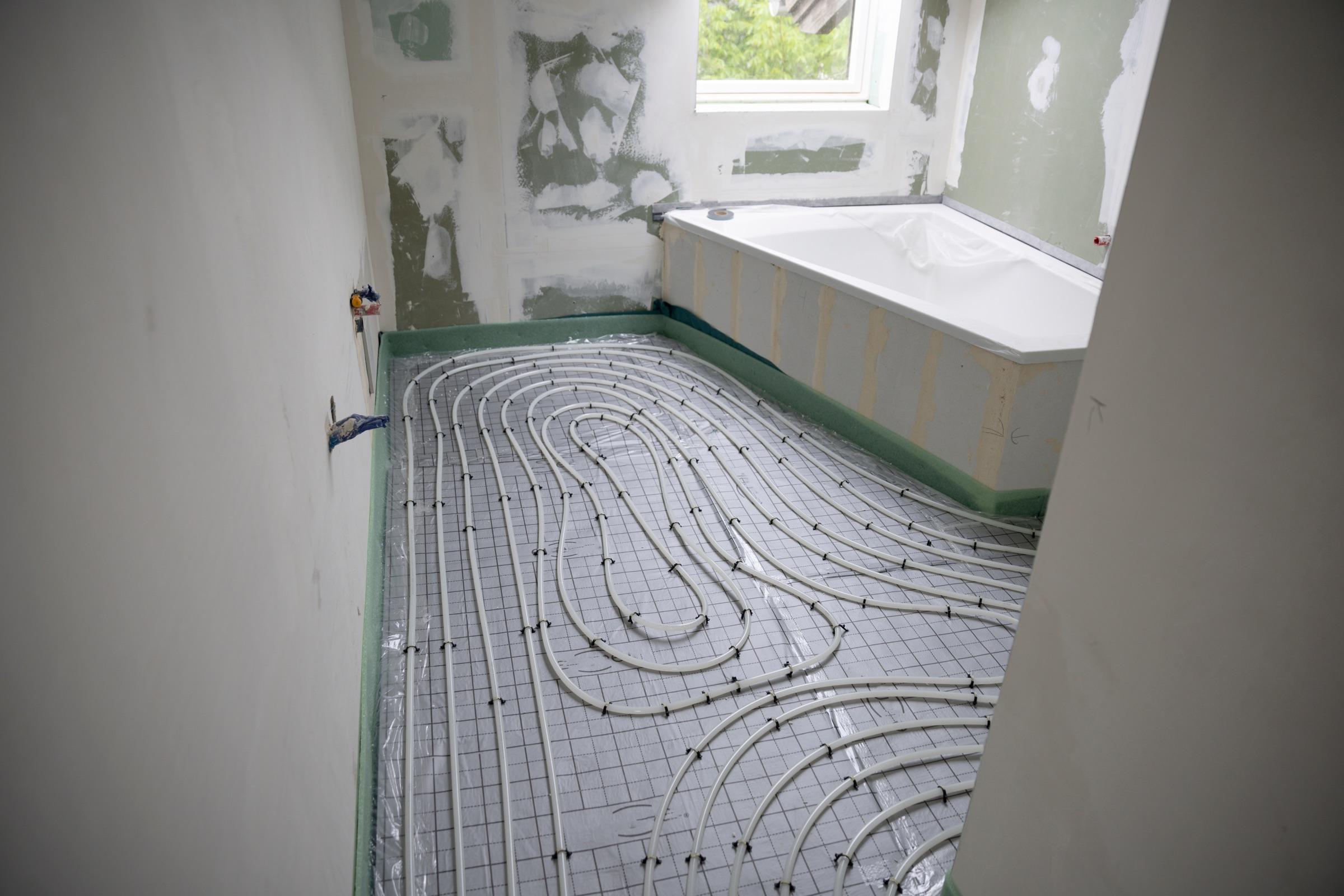
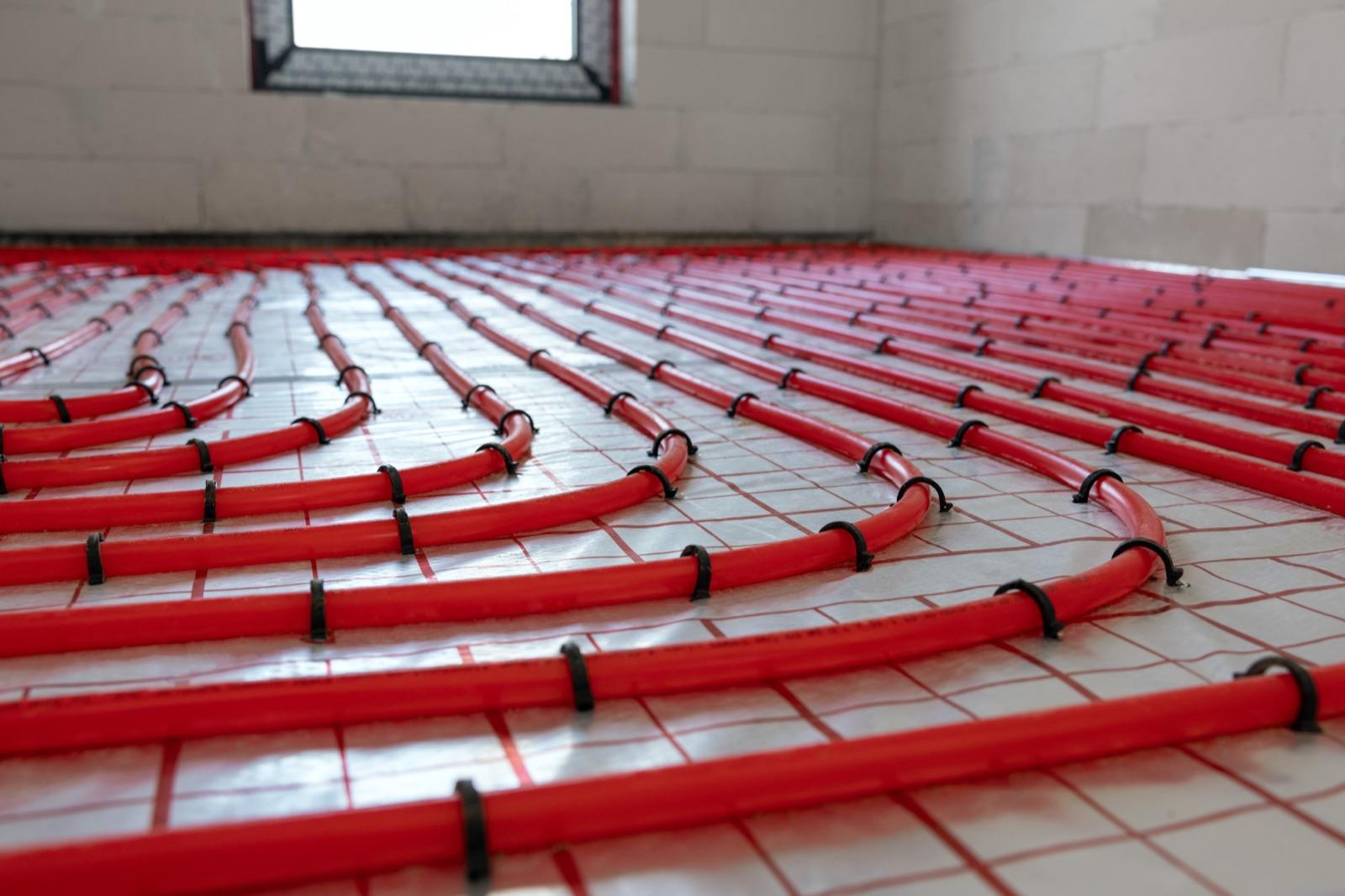
Milled into the floor or a new screed
With the milling method, we cut channels into your existing screed and lay the pipes in them. The floor does not need to come out. Then we fill the channels and make the floor level again. This is only possible if the screed is suitable for it.
In a renovation or a new extension, the pipes go on the structural floor, with insulation underneath. A new screed goes over the top. It needs to dry first. Then the underfloor heating warms the screed up step by step, so it reaches temperature gradually. Only once that is done does the floor finish go on. In both cases, we connect the pipes to a manifold, which distributes the warm water across the different loops in the floor.
Combining underfloor heating with tiles, vinyl or wood
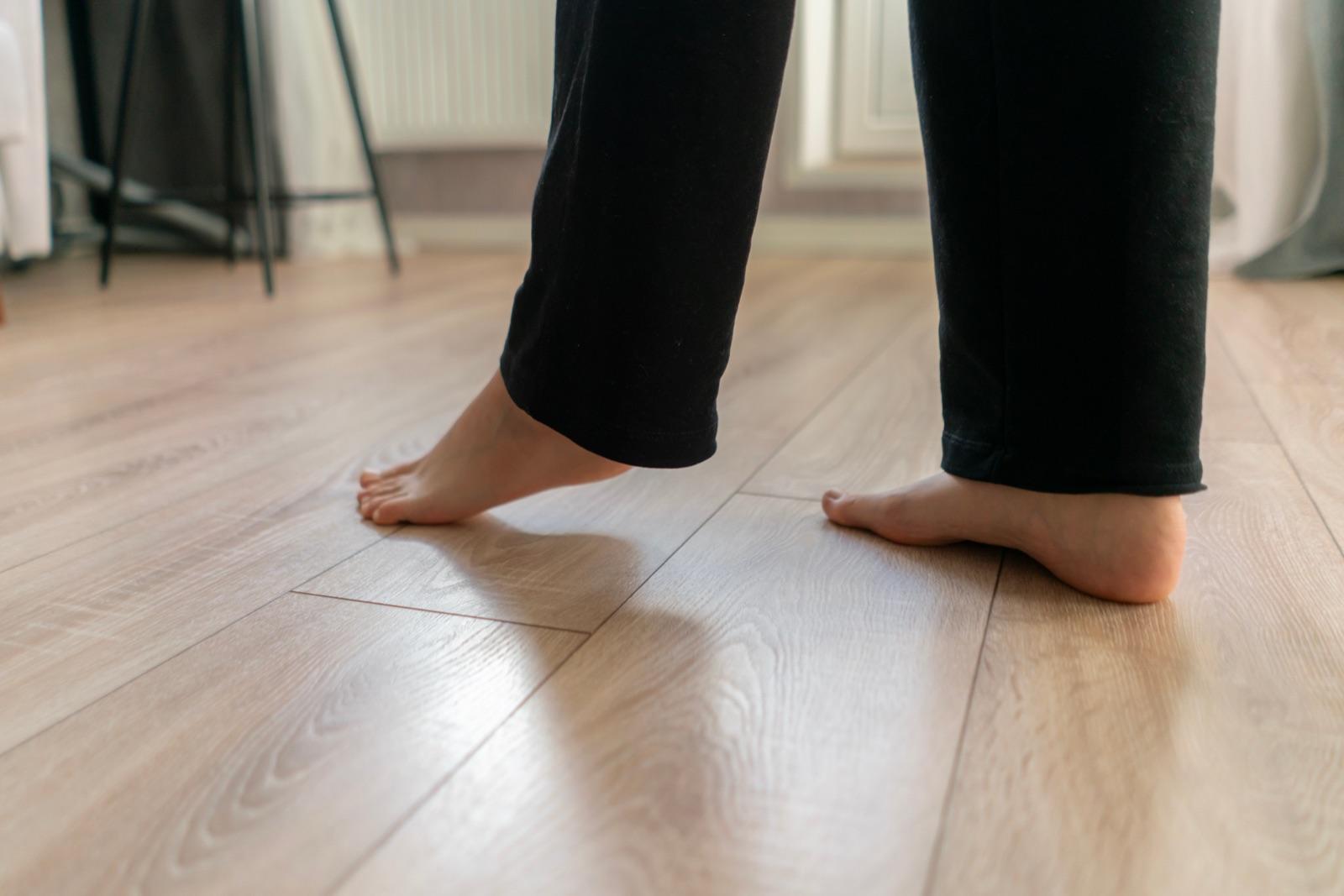
Every floor finish passes on heat differently
Tiles conduct heat well and are therefore an obvious choice. Glue-down vinyl is thin and works well as a result. Laminate and parquet are also possible, provided the manufacturer states they are suitable for underfloor heating. We discuss this with you before you choose a floor.
Insulation under the floor makes sure the heat mainly goes upwards. Does your house have a crawl space? Then we can insulate the floor from below, as part of the same job. Underfloor heating also fits well with a bathroom renovation or a complete renovation. The work on the floor then coincides with the rest of the renovation. That way, the floor only has to be opened up once. In a small bathroom, electric underfloor heating is also an option: thin mats directly beneath the tiles.
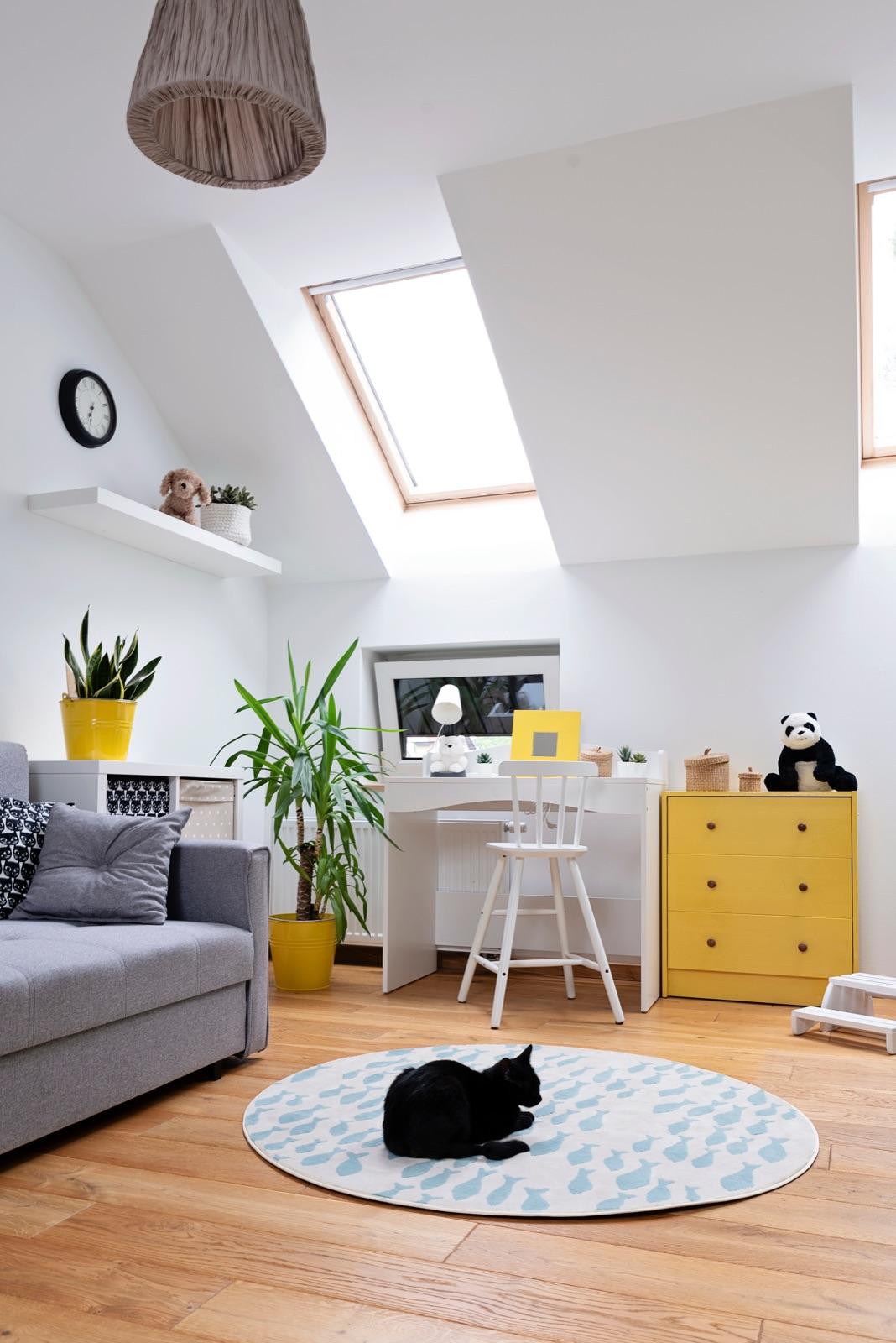
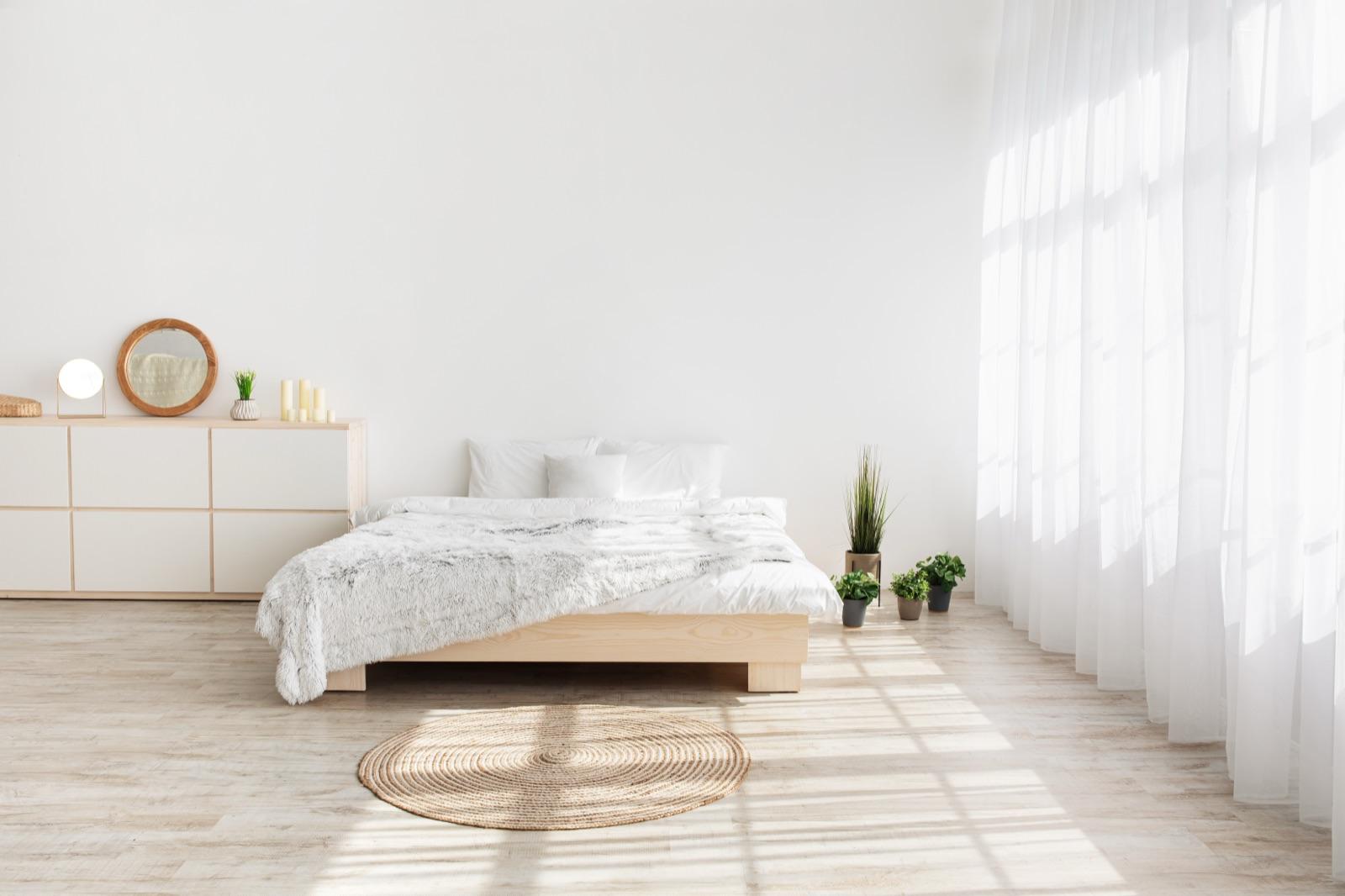
A warm floor, out of sight
Once the work is done, you no longer see the underfloor heating itself, but you do notice the warmth. With no radiators left, you have more free wall space when furnishing. Examples show how calm a room looks without radiators.
Tell us what you would like done
Call, WhatsApp or email us. You will receive a free, no-obligation quote. Have a question first? Feel free to ask.